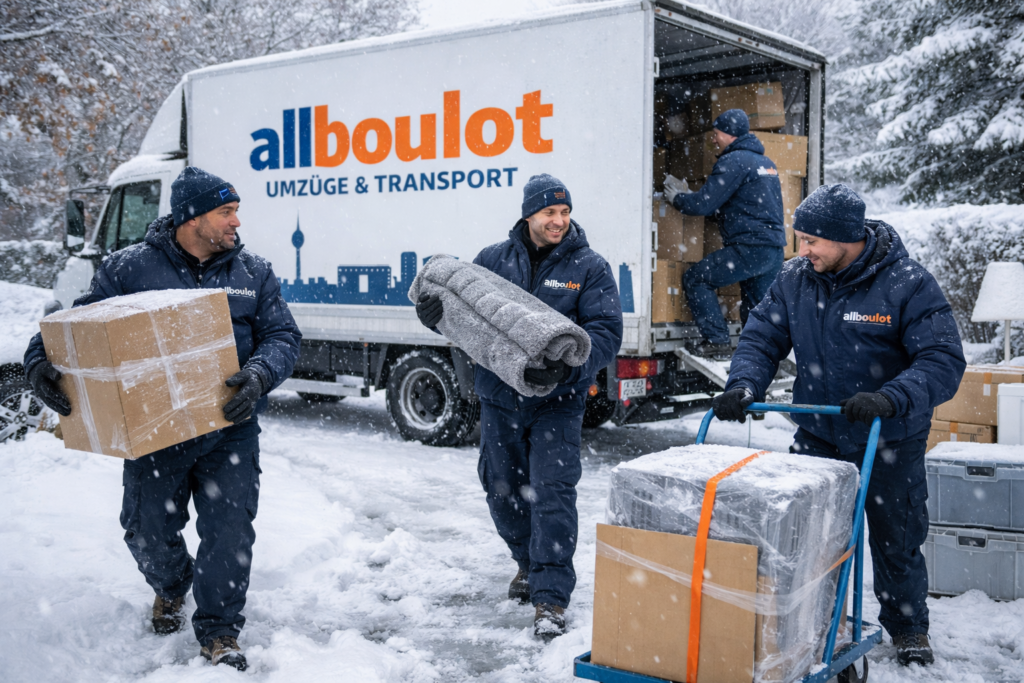
Moving is always a challenge, but moving in Berlin during the winter—when streets are covered with snow and frost—adds an extra layer of complexity. With icy roads, frozen pipes, and chilly winds, careful planning is essential to make your move smooth, safe, and efficient. Here’s a complete guide to help you navigate this challenging period.
1. Start Early and Prepare Thoroughly
Winter moves require extra preparation:
- Book your moving company early: Many movers in Berlin face high demand during winter months. Secure your slot in advance.
- Check your route: Snowy or icy streets can slow down transport. Look for safer, well-maintained roads for your moving truck.
- Prepare for delays: Frost and snow can cause traffic jams, so build extra time into your schedule.
2. Protect Your Belongings
Cold and moisture can damage furniture, electronics, and other sensitive items. Take these precautions:
- Wrap furniture in waterproof covers: Tarps or moving blankets protect against snow and melting ice.
- Use plastic bins instead of cardboard: Cardboard can absorb moisture and collapse.
- Protect electronics: Keep gadgets in sealed plastic bags to prevent condensation from snow or frost.
3. Dress Appropriately
Winter weather in Berlin can be harsh. Make sure you:
- Layer clothing: Warm layers, gloves, hats, and scarves are essential.
- Wear waterproof boots: Slippery sidewalks and melting snow make traction important.
- Bring extra socks and gloves: Frostbite or wet clothing can slow you down.
4. Manage Ice and Snow
Snow and ice can make moving heavy furniture dangerous. Stay safe by:
- Shoveling and salting: Clear paths from your home to the moving truck.
- Use non-slip mats: Place them on steps and walkways to prevent falls.
- Have sand or cat litter handy: Sprinkle on icy patches for extra grip.
5. Plan Your Packing Strategically
Winter requires packing with the weather in mind:
- Pack essentials last: Items you’ll need immediately should be easy to access.
- Seal food and liquids: Cold can freeze liquids and cause leaks.
- Label boxes clearly: Especially fragile or weather-sensitive items.
6. Communicate with Your Movers
Clear communication ensures your move goes smoothly:
- Confirm weather conditions: Check forecasts the night before and day of the move.
- Discuss snow and frost challenges: Make sure your moving team is prepared with winter gear and equipment.
- Agree on contingency plans: Have a backup in case roads are blocked or conditions worsen.
7. Take Care of Your Health
Winter moves can be exhausting and stressful. Protect yourself by:
- Staying hydrated: Cold weather can mask dehydration.
- Taking breaks indoors: Warm up regularly to prevent hypothermia.
- Eating energy-rich meals: You’ll burn more calories moving in cold weather.
8. After the Move
Once you’ve safely moved in:
- Check for frost damage: Inspect furniture and appliances for water or frost impact.
- Warm up the space gradually: Avoid sudden heating that could damage walls or floors.
- Dispose of packing materials carefully: Snowy cardboard may be too wet for recycling immediately.